This exhibition has passed
–
Colourful MomentsWatercolours from the Brücke-Museum, Berlin
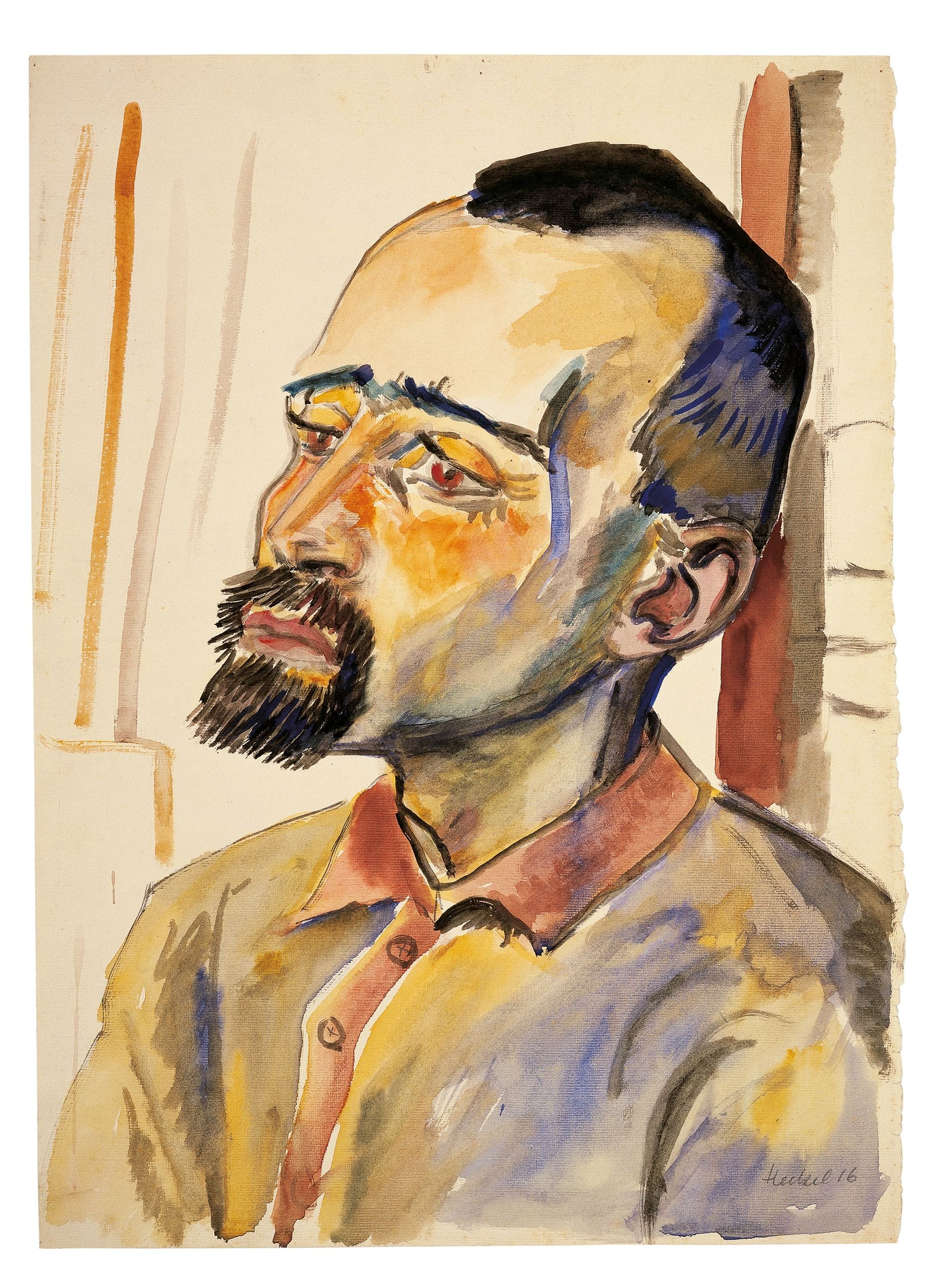
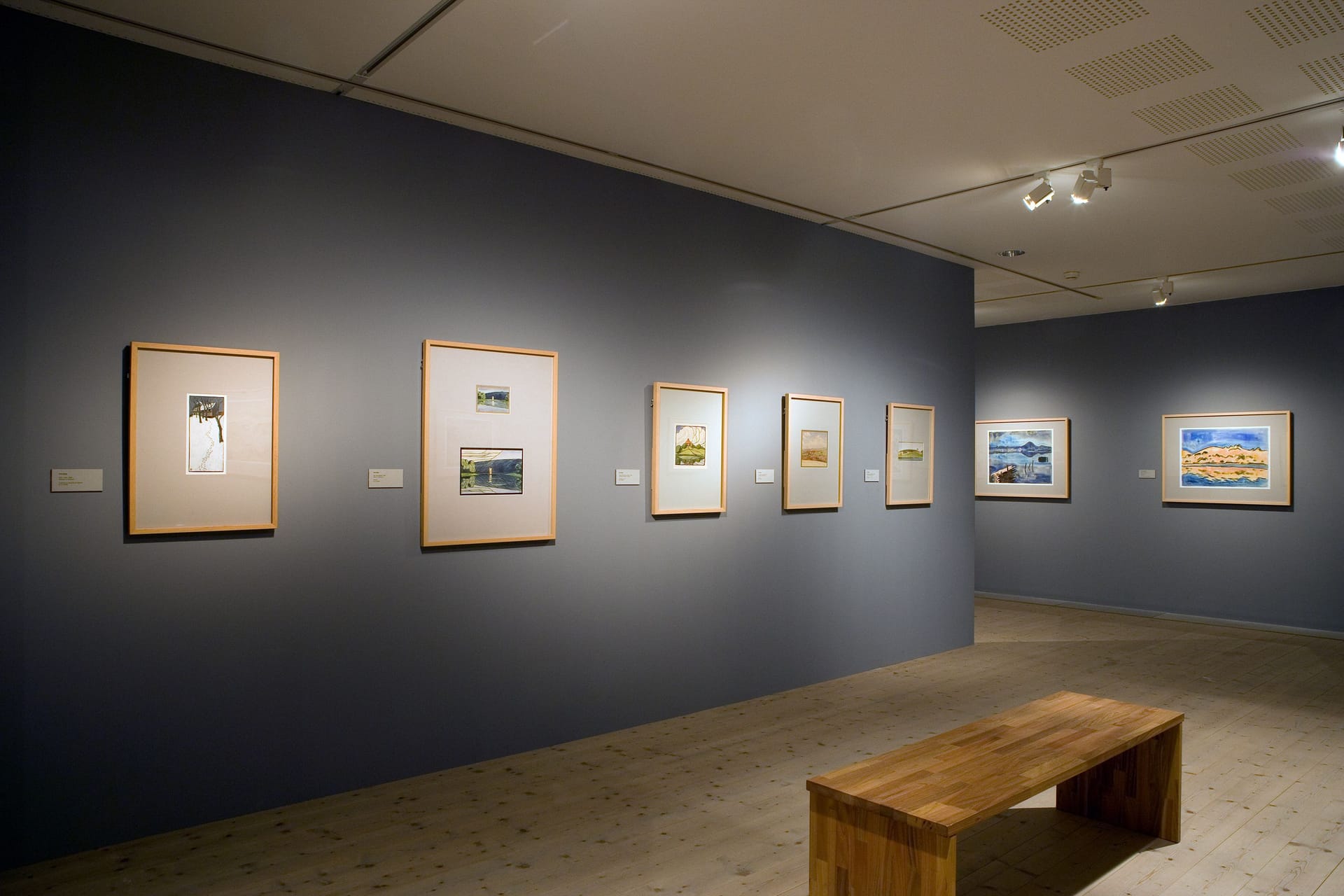
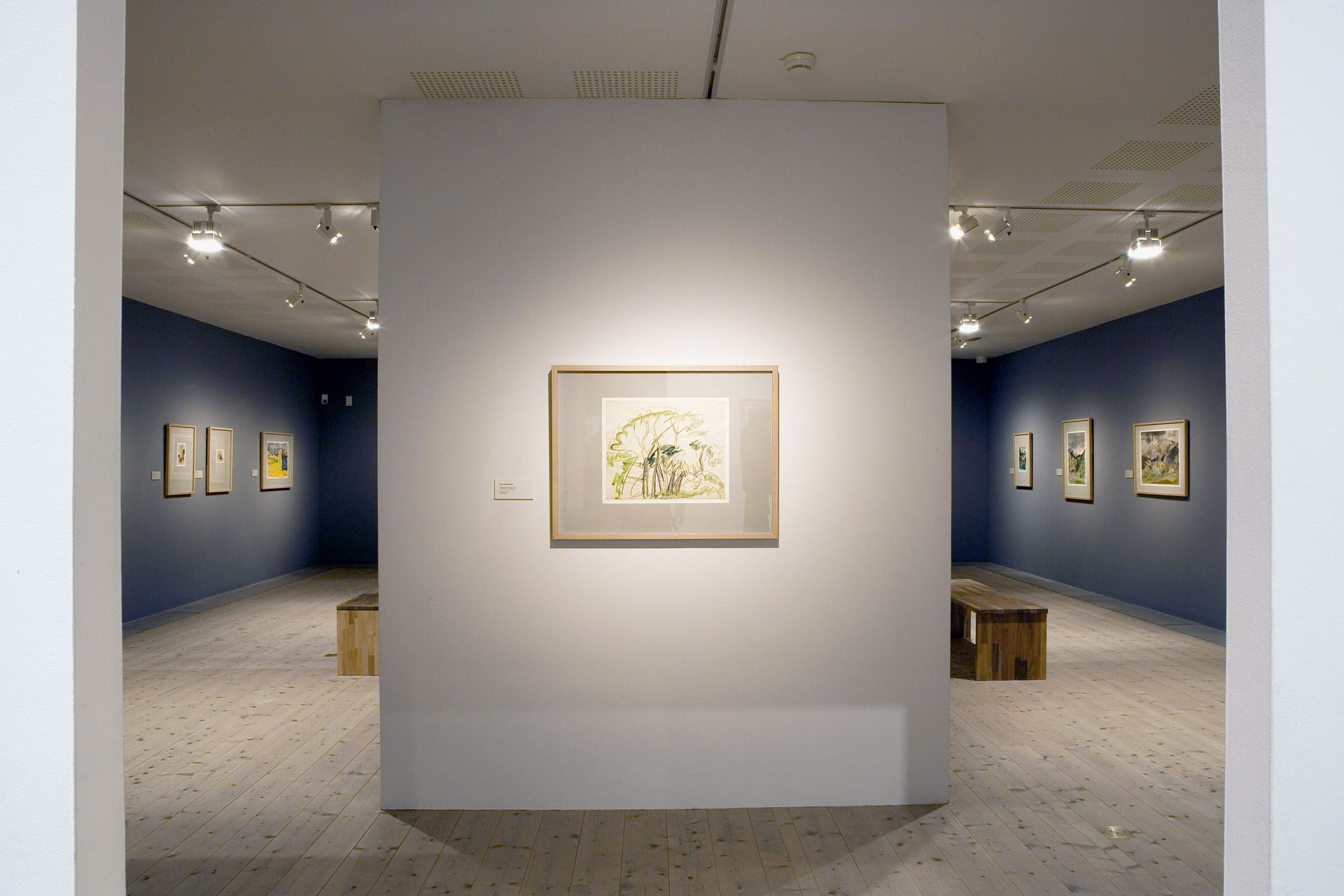
In the autumn of 2008, The Nordic Watercolour Museum presents works by Die Brücke in the exhibition Colourful Moments. The group was active from 1905 to 1913, and its members were pioneers of German Expressionism. Organised in collaboration with the Brücke Museum in Berlin, the exhibition is entirely unique, as it is the first to focus specifically on the museum’s collection of watercolours.
Expressionism was a distinctive period in German cultural history, spanning the early 20th century to the end of the Weimar Republic in 1933. The movement expressed a new ideal and sought social freedom in opposition to the strong cultural influence of the German bourgeoisie under Emperor Wilhelm II.
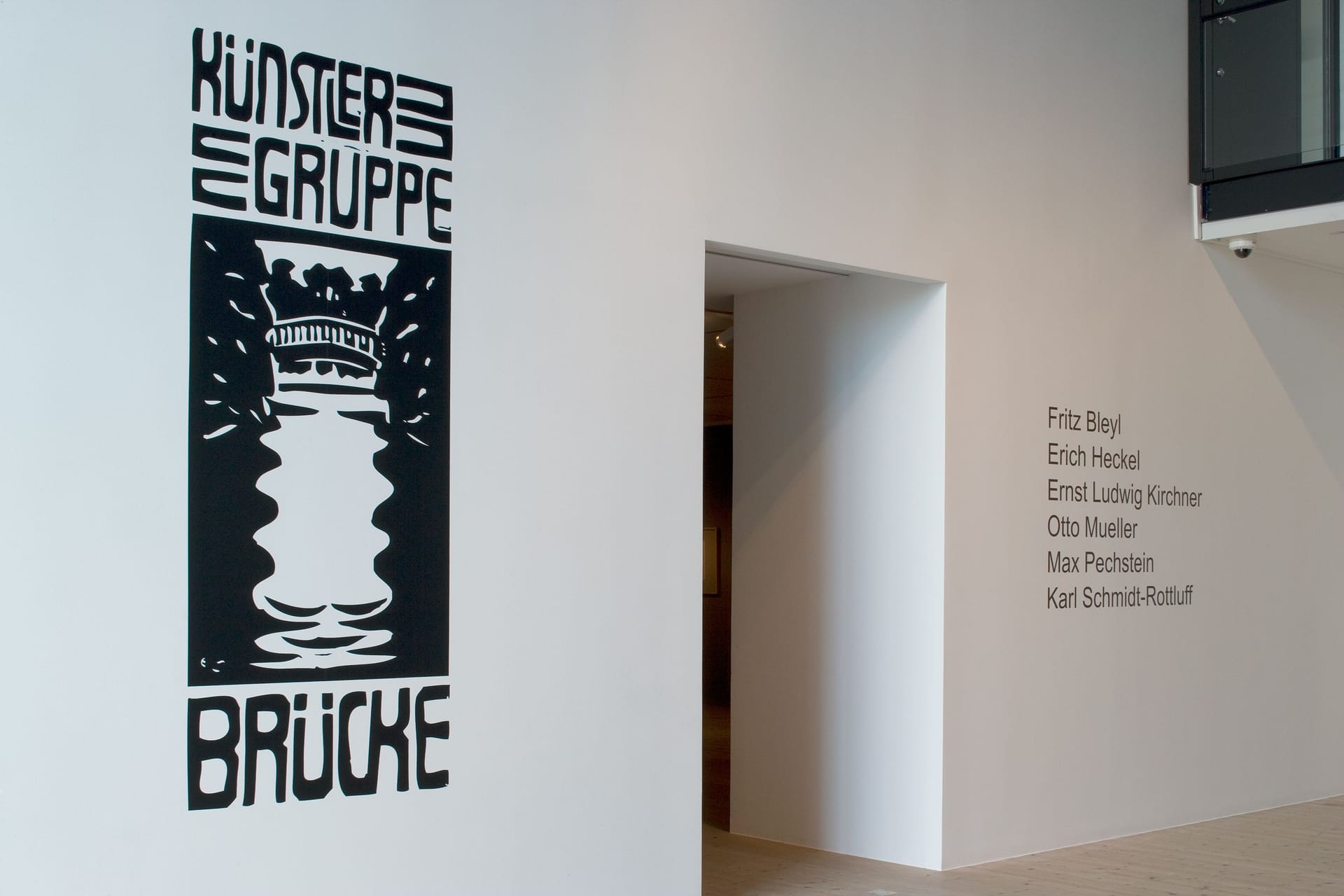
It was four architecture students in Dresden – Ernst Ludwig Kirchner, Erich Heckel, Karl Schmidt-Rottluff and Fritz Bleyl – who gave voice to these new ideals. In 1905 they founded the artist group Die Brücke (“The Bridge”), exerting a decisive influence on 20th-century art through both their visual language and ideology. Later, more artists joined the group, including Emil Nolde, who was a member for about a year and a half from 1906. Max Pechstein and Otto Mueller became more long-term members.
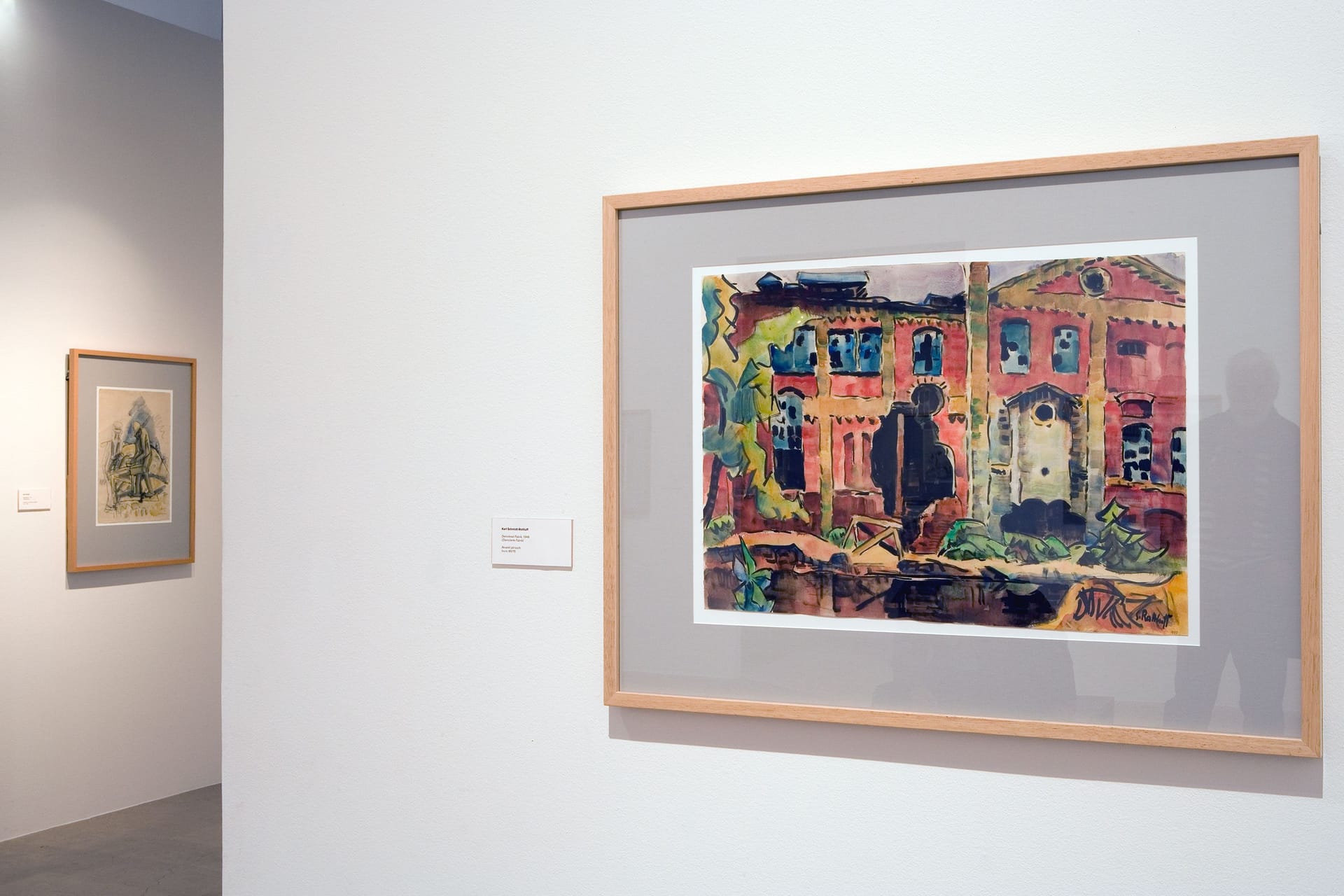
The artists of the Brücke group aimed to go beyond the outward appearance of a subject to its inner core and authentic essence. Both urban and rural environments provided inspiration, and their subjects ranged from cafés and cabarets to nude models outdoors and studies of nature. They developed a style characterised by distorted lines, exaggerated forms, intense colours and flattened perspectives. Colour was applied in wild, bold layers with strong, assertive lines. Tones were vivid and often alien to the depicted subject. They sought a pure expression in both form and colour. Their inspiration came from expressive painters such as Vincent van Gogh, Paul Gauguin, and especially Edvard Munch, all of whom had exhibited in Germany during Die Brücke’s early years. Primitive art also influenced the group’s visual language, and they studied in detail the rich ethnographic collections in Dresden and Berlin.
The Brücke Museum in Berlin, whose entire collection comprises works by the Brücke artists, was founded in 1967. The core of the collection was a generous donation to the city of Berlin from Karl Schmidt-Rottluff. The collection has since expanded continuously, forming a museum entirely devoted to the group’s impressive contribution to German art history.
Colourful Moments is part of a series of exhibitions in which The Nordic Watercolour Museum reflects on the role watercolour has played within the major currents of art history and in the work of individual artists. It is particularly significant for the Museum, as it is the first time the watercolours of early German Expressionism have been presented to a Swedish audience.
More
Pictures from the exhibition